Five years of data from 100 floating barriers reveal where Sri Lanka’s floating plastic really comes from — and what it takes to stop it
Once considered a ‘miracle material’ capable of solving every industrial and consumer problem of the 20th century, today, plastic has become a ‘technofossil’.
It has been found in snow at the top of Mount Everest, and as deep as the Marina Trench, across every known ecosystem, ultimately bio-accumulating up the food chain to humans as well. Plastic is already become the single most pervasive and problematic geological footprint of human civilization, and the problem is still growing.
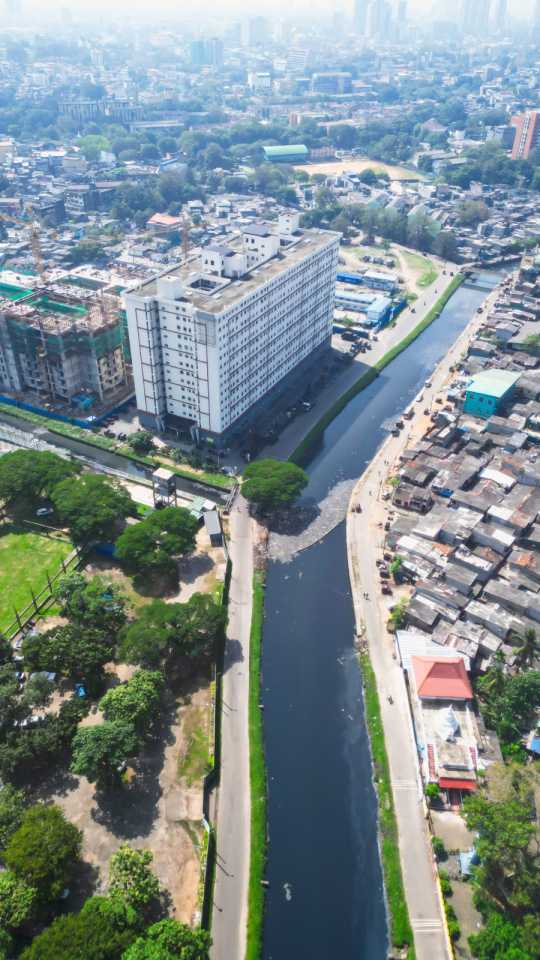
In canals and waterways across Sri Lanka too, this slow moving ecological disaster continues to worsen. It is estimated that 9 million kilograms of plastic waste enters the Indian Ocean from Sri Lankan inland waterways every year[1], roughly equivalent to around 900 fully loaded garbage trucks, or about 0.4 kilograms of plastic per Sri Lankan.
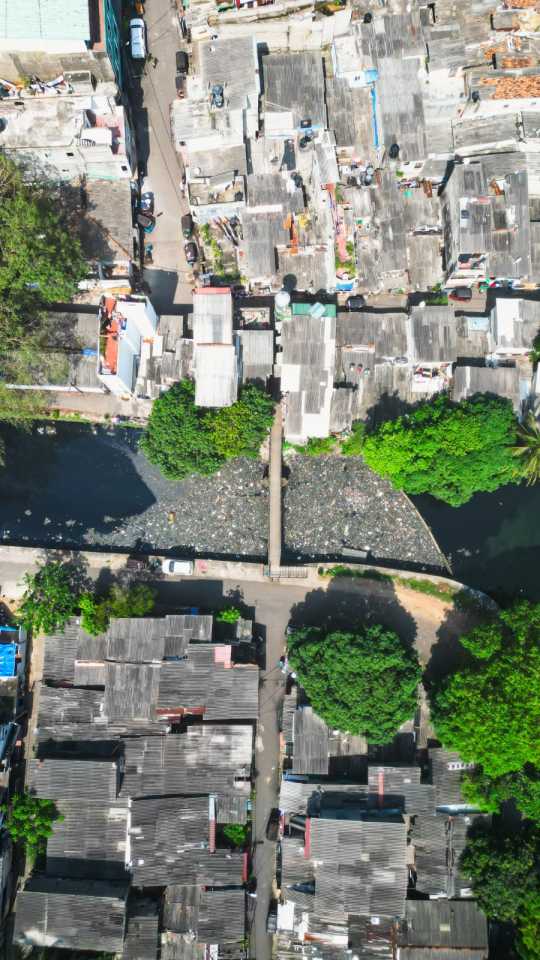
Plastic waste accumulates and hits peaks with each rainfall. Most of it is carried from what many of us carelessly discard by roadsides and drains, and from informal settlements that too often have no formal waste collection systems. Blockage of waterways and drainage systems directly increase the likelihood of future flooding.
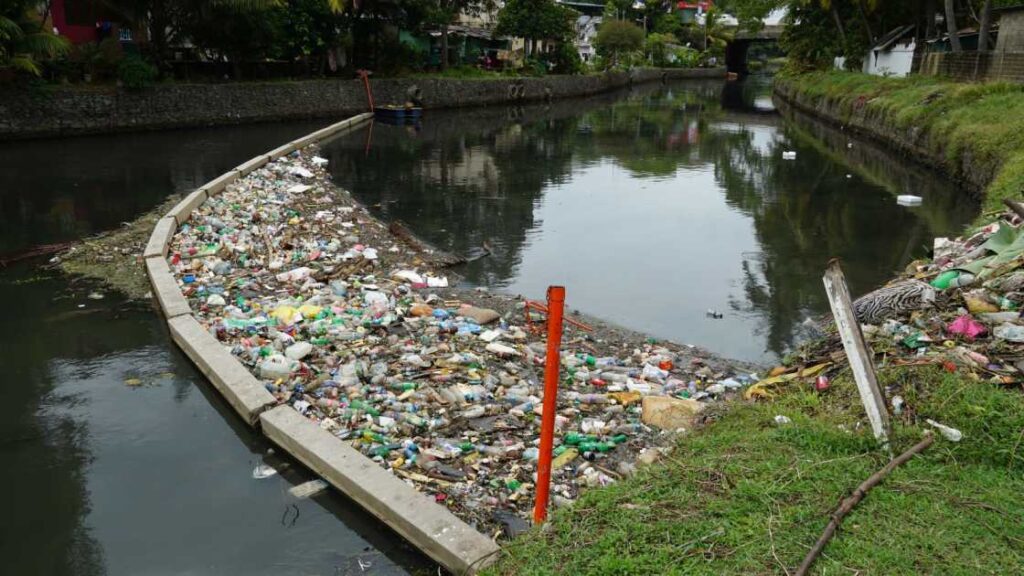
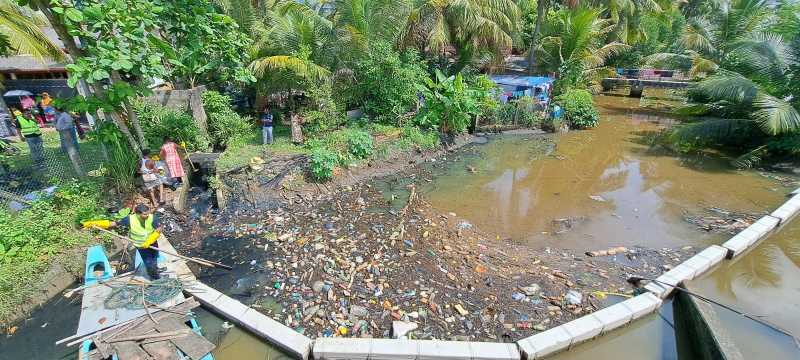
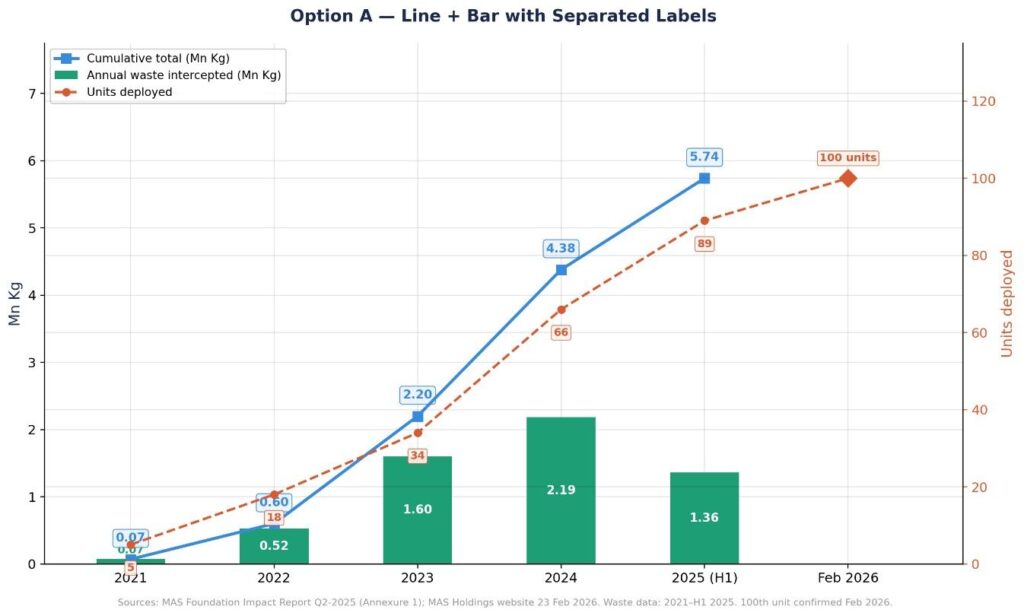
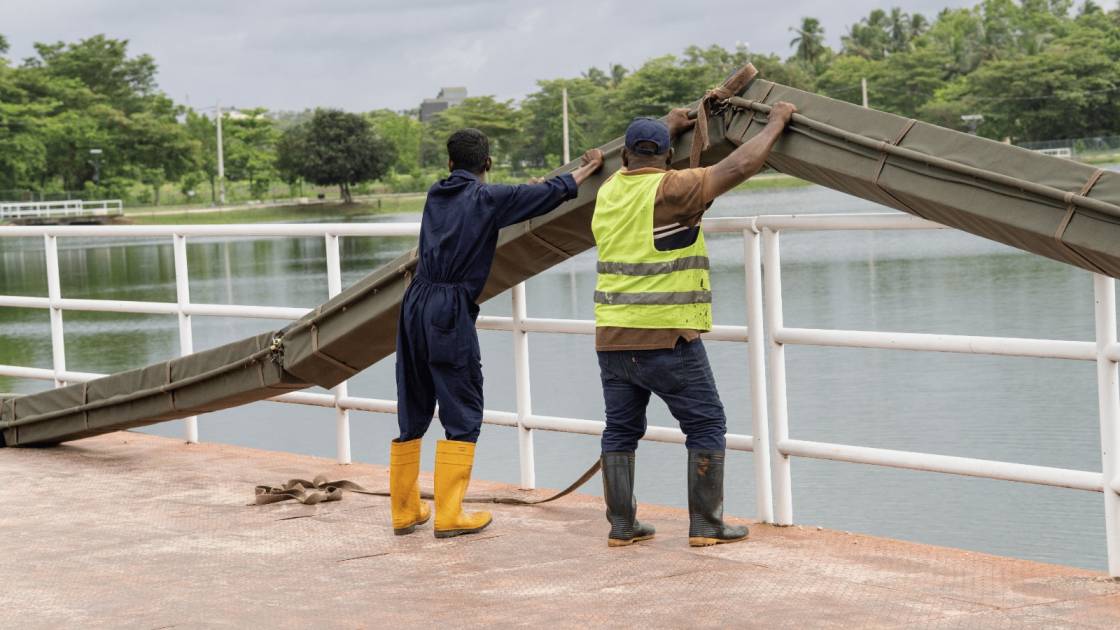
But since August 2020, a relatively simple but effective intervention has been gradually scaling up to combat this problem. A growing network of these MAS Ocean Strainers have been intercepting increasingly large volumes of floating trash in 100 locations across Sri Lanka.